Cultivating Cultural Resilience

banner

Cultivating Cultural Resilience

Copy of Untitled (1920 x 581 px)

Cultivating Cultural Resilience is an ongoing series that highlights the power and potential of artists working in times of crisis. In an age of fear, censorship, and division, these practitioners model courage and compassion — using performance to expose harm, to hold space for truth, and to awaken our shared imagination. By linking our collective struggles, the series connects international artists who are using the arts to resist violence, affirm dignity, build trust, and imagine more just and humane futures. 

Read articles from events in the Fall Series on HowlRound, including: 

The series is curated and hosted by the Laboratory for Global Performance and Politics and the Center for International Theater Development.

Fall Series 2025

Writing in a War Zone: How Ukrainian Playwrights Are Defending Culture
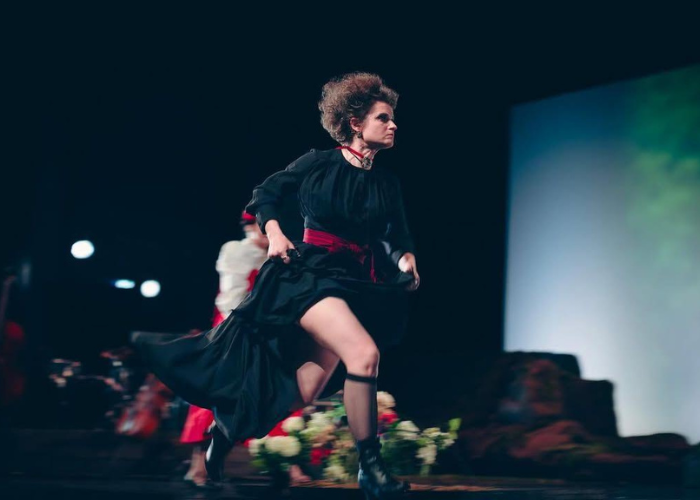
Fall Series (700x500) Photos

When Putin launched his full-scale invasion, he claimed Ukraine had no language, no culture. Even now, Russian officials frame the war as “Russians killing Russians.” Yet every Ukrainian play staged, every script written, every actor stepping onstage to tell Ukrainian stories in the Ukrainian language pushes back against that narrative. In Kyiv, tickets sell out in minutes; in Kharkiv, underground shows still draw full houses despite the threat of shelling. Harets and Bondarenko embody this historic moment of artistic transformation, using new forms, languages, and myths to shape and safeguard Ukrainian identity. 

This session brings together Ukrainian playwrights Iryna Harets and Andrii Bondarenko in conversation with American playwright and teacher Laura Cahill to explore the role of art in wartime and how playwriting in Ukraine has become both a cultural renaissance and resistance.

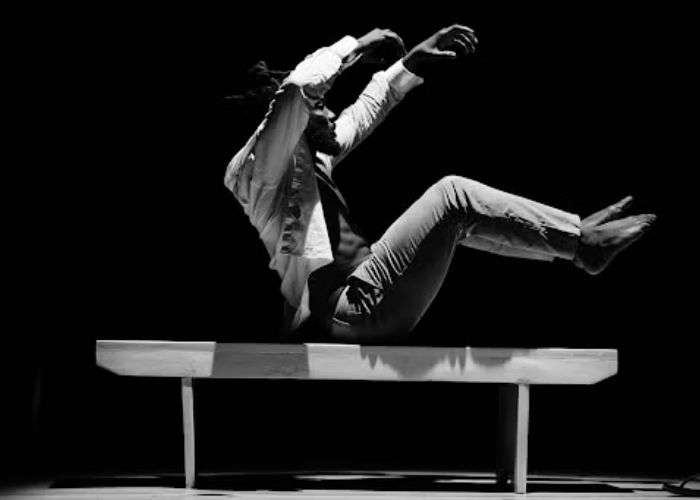
Beyond Crisis - Les Larmes de L_Ocean_ by Daudet Grazai at the EANT Festival 2022. Photo by Leslie Akanyonyi

Crimes against humanity, such as Armenia 1915, Rwanda 1994, and those we are witnessing today, have a long lasting impact on those that live them, and on the generations that follow. How do we heal from such harm? These artists, from different continents, but with a shared history, are proving how performance can move us through and beyond unfathomable crisis and trauma. Ms. Armaghanyan and M. Ruzibiza met as Global Fellows at The Lab in 2021 and have built a friendship through stories and creative exchange. Sonya attended Ruzibiza’s dance festival, The East African Nights of Tolerance, in 2022- you can read about her impressions from the festival here. In this conversation, they reflect on their own experiences of healing through art and the power in performance as a space for recovery and connection.

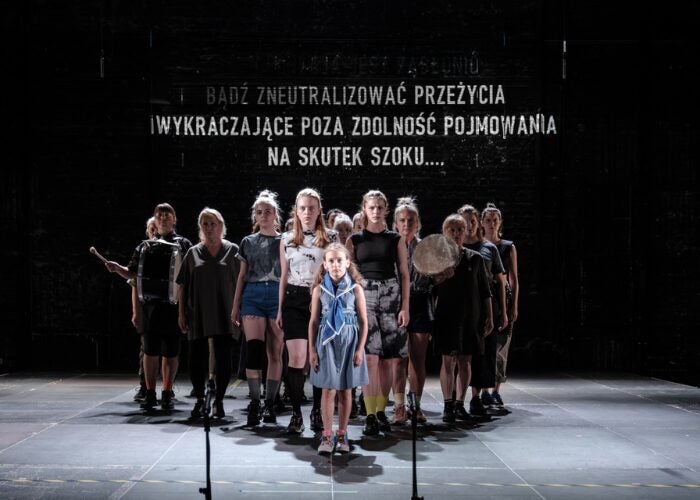
Mothers (photo credit) Bartek_Warzecha_©_DSCF0559-1920x1280

There are over 122 million forcibly displaced people of whom over 42 million are refugees – all of them in search of safety around the world. Among them, women are mothering and providing for their children while on the move, in multiple languages and across cultural and governmental barriers. Their survival and continuance of care is a holistic act of resistance and generative power. We meet with artists leveraging performance to center their stories and make them known when the power-hungry seek to silence and separate them. Through the use of story, song, and dance, these artists grapple with matrifocal narratives of migration, displacement, and exile, but also of determination, love, and resilience. The stakes of providing care and connection under the most politically oppressive conditions require ingenuity of the highest order.

With Michael Rohd and the U.S. Arts Leaders

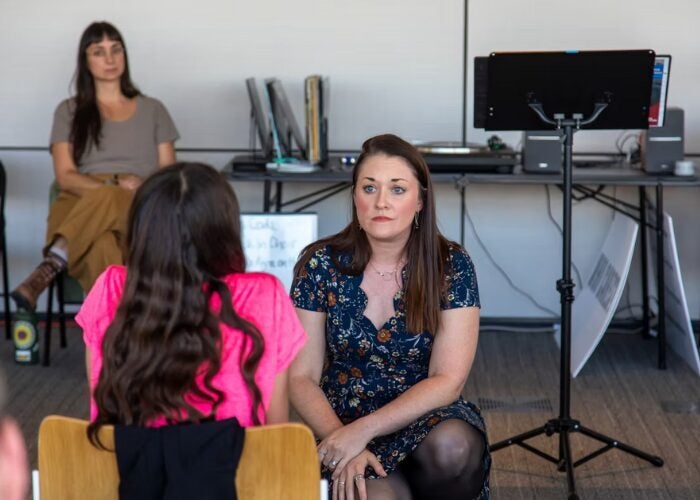
Theater as Civic Imagination - Photo from State of Mind, by Michael Rohd

The federal government is attacking freedom of expression and working to harness cultural symbols and public narratives. This attack on the arts isn’t just part of the culture wars, it’s part of a larger attack on civic care. From education to health, from justice to environment, sectors that work to create compassionate webs of support are being systematically dismantled and decimated. The arts are part of this ecosystem and theatre artists are storytellers and collaborators with the skills to organize, communicate, and imagine resistance. So while the U.S. federal government is working to divide, conquer, and squash our spirits, theater, as a form and practice, is being deployed around the U.S. to gather, to envision, to build coalition and to center what’s possible. Join theatre-maker Michael Rohd in conversation with artists and cultural leaders who are doing just that.

Location: Georgetown University, Riggs Library

With George Brant, Mykola Kuleba & Katya Pavlevych

Moderated by Gillian Huebner & Derek Goldman

This session is presented in partnership with The Collaborative on Global Children’s Issues

truth-telling GU

In Ukraine, tens of thousands of children have been separated from their families, communities, and country and forcibly transferred to Russian-occupied territories or deported to Russia and Belarus. Some have been placed in Russian families and given Russian nationality. Others have been transferred to “camps” where Russian officials have said they receive “patriotic education”. Some have been militarized, unwillingly prepared to fight against their homeland.This is the largest missing children’s case since World War II and mechanisms for enforcement and accountability are failing. We are witnessing the total ineffectiveness of the global child protection system. But in the midst of such tremendous challenges and constraints, ordinary people – mothers, grandmothers, civil society innovators, and artists – are doing extraordinary things: creating solutions, finding “what works”, and communicating in new ways – when all else fails. This conversation will focus on the power of narrative, the burden of storytelling, and the art of getting things done.

Location: The Lab studio in Georgetown

Facilitated by Raghad Makhlouf, Associate Director of The Art of Care, with Gillian Huebner, Executive Director of The Collaborative on Global Children’s Issues, and Emma Jaster, Associate Director of The Laboratory for Global Performance and Politics.

Hold (1)

This workshop will provide an opportunity for people working with children to experience the power of narrative, story-telling, communications, and performance in the midst of conflict and crisis. It is open to professionals, students, and community members. Part of the Art of Care Initiative,* this closed-door workshop will include Georgetown students and faculty, frontline actors, social creatives working under authoritarianism, and key allies to share stories, reflect, reconnect with purpose and play, and think through ways to communicate their work to build further support. 

*The Art of Care Initiative advances the idea that art and care are profoundly linked, and that this linkage can lead to more caring systems, better health outcomes, and a more just world.

Spring 2025

In-person workshop with Samwel Japhet & Tanvi Hegade
This workshop will begin at 10:30am and is followed by lunch for participants.

Spring Series_Movement Project

A live workshop with Samwel Japhet & Tanvi Hegade

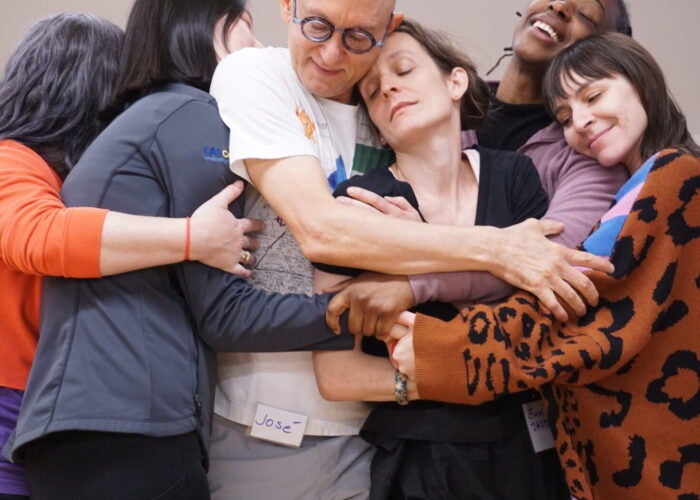
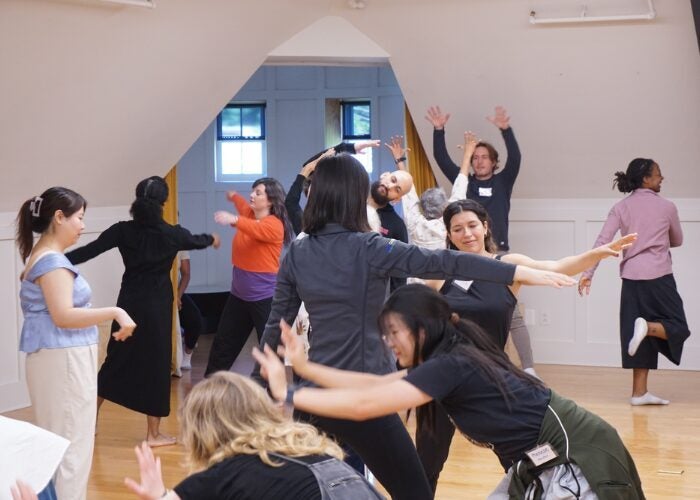
Whether in India, Tanzania, or the U.S., each body has great potential for healing, empowerment, and change. Across the globe and here at home, how can movement challenge power, sustain hope, and strengthen communities in times of crisis? This workshop equips us with tools to get grounded, resist oppression, reclaim space, and reimagine through movement. Led by two Global Fellows with unique stories and expertise in the restorative and emancipating potential of movement, we will practice working from within our own bodies and present moment, cultivating homeostasis and tapping into play as a form of resistance to stay embodied, empowered, and connected.

This workshop is intentionally designed as an opportunity for artists, humanitarians, and cultural leaders based in and around the DC epicenter to connect in person, whether or not you consider yourself a dancer, mover, performer, or none of the above.

Participants will be led remotely by award winning dance artist and social entrepreneur Samwel Japhet in Tanzania and the India Vice President of ITI’s International Dance Committee, Tanvi Hegade in India, facilitated in person by The Lab’s Associate Director, Emma Jaster.

Online workshop with Fidaa Ataya & Dovie Thomason

A workshop that is not a workshop with Fidaa Ataya & Dovie Thomason

Stories are like a secret code, a cultural DNA; they carry keys to life based on our ancestors’ struggles and strengths, their strategies and values. When our culture and way of living are attacked in the material world, we keep them strong in our stories, planting them in the hearts and minds of all who hear them, all who will pass them on. Stories connect us to our past and shape our futures, helping us to imagine alternatives, to envision the dreams towards which we can collectively mobilize.

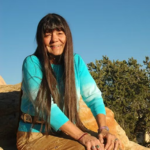
Led by Global Fellow Fidaa Ataya, Artistic Director of  The Seraj Storytelling Academy, and master storier Dovie Thomason, participants will hear, share, and shape stories of their own for this moment. We call this session a workshop that is not a workshop but an opportunity to connect, share, and build relations across borders, boundaries, cultures, and traditions.

“It seems to me that we are in a space between stories, seeking an overstory— a unifying narrative with space for many voices…and laughter. My hope is to use storying as it’s always been used—to show us ways of being and being together in good relations.” – Dovie Thomason

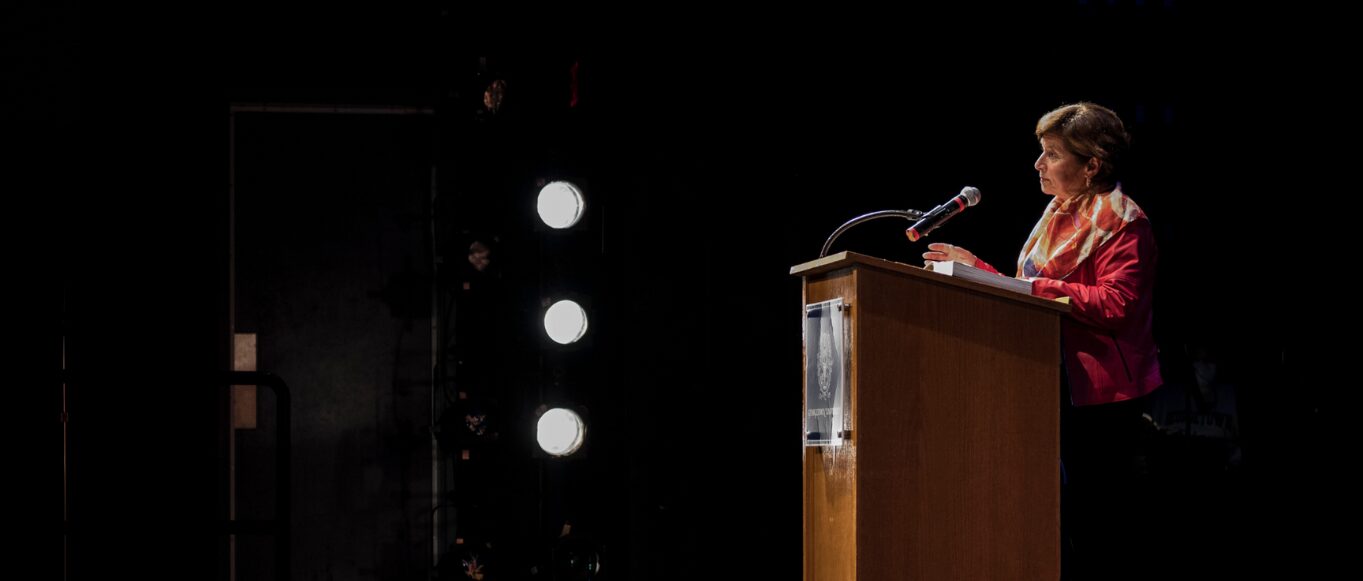
A (pep) talk with Ambassador Cynthia Schneider

A (pep) Talk with Ambassador Cynthia Schneider, Co-Founding Director of The Lab

Sometimes in the face of adversity, it’s easy to forget the power artists have. Don’t.
Extremists and totalitarians get why culture matters and fight hard to control the narrative. We can wield culture for good.

From the Khmer Rouge to ISIS, extremists have destroyed history, literally and figuratively, to erase existing identities and impose their radical ideologies, rewriting the story to justify their actions. History suggests that ultimately the extremists and totalitarians fail, but it can be hard to imagine our way out when we’re in the midst of it.

Enter the artists, cultural, and intellectual leaders. Artists hold up a mirror to authority. They can tell you what really happened. They can show what the people are thinking, and have the power to move people to action, to connect across borders and differences to fuel movements for socio-political change.

This review of artists’ influence on political change throughout history and the world will remind us of what culture-bearers have accomplished, and, hopefully, inspire us to action. As Wole Soyinka said, “Culture humanizes; politics demonizes.” We need humanity to break through the extreme demonization of today. It has happened before; it can happen again.

A conversation with Laszlo Upor & Todd London

A conversation with Laszlo Upor & Todd London.

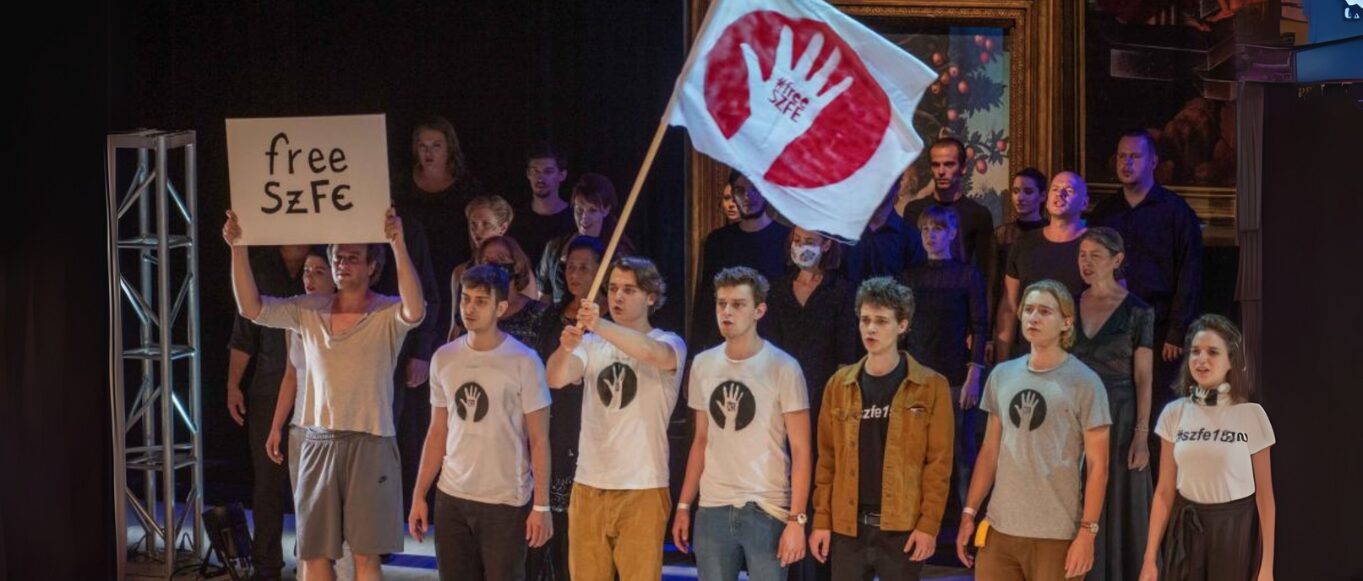
When Victor Orbán’s authoritarian government began its “model change” plan for higher education in 2020, a euphemism for “privatization” and “takeover” aimed at eradicating university autonomy and placing public assets in the hands (and pockets) of government loyalists, only one university in Hungary fought back: the University of Theater and Film Arts (SZFE). Faculty and school leadership resigned (but kept teaching through a collective “Learning Republic” created with students) and the students mounted a seventy-one day blockade of the school. Ended by a national COVID lockdown, the blockade was distinguished by creative performance, design, music, and the mass participation of ordinary citizens—a truly staged resistance movement. Including photos and short films of the students’ performative protests, this session features a discussion between SZFE’s Rector at the time, Lázló Upor, a pre-eminent Hungarian dramaturg, educator, and translator of English-language plays, and fellow author, educator, and artistic director Todd London, with whom Upor is translating Lessons in Resistance: How a Small Hungarian Arts University Faced Down a Big Bully Government, his personal chronicle of the years of resistance and the formation of Freeszfe Society, a cooperative pan-European academy for artists.
From a four-mile-long human chain to a torchlight ceremony in the rain, from the appearance of Blind Justice at the Halls of Justice to an art installation delivered by bicycle to the gates of Parliament, these playful, passionate demonstrations and the symbols that arose from this movement inspired artists around the world. “Goddesses, Caution Tape & Torches” will dive into the mechanism of governmental incursion in the arts and higher ed and provide examples of ways artists can use their talents to stand up to tyranny. Participants can get a bit of the backstory by reading about the Learning Republic.

Panel discussion moderated by Global Fellow Ada Mukhína, with Kiyo Gutiérrez, Teddy Mangawa, Dijana Milošević, and Trà Nguyễn

Copy of Untitled (1920 x 581 px) (7)

An international dialogue on artistic impact

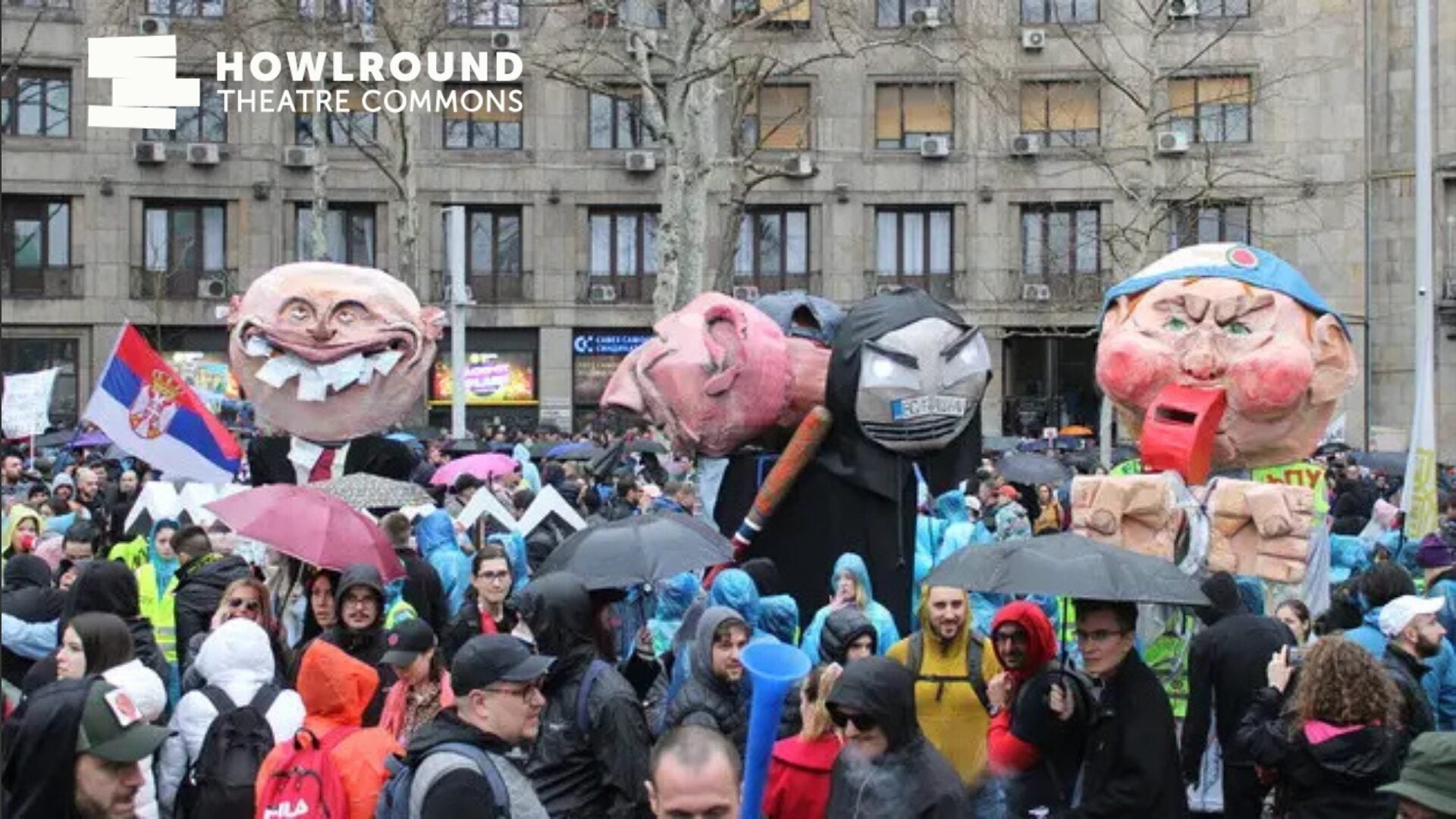
As world events unfold, many of us find ourselves simultaneously feeling at greater risk and taking greater risks. There are toolkits, websites, resources on risk and impact for artistic resistance in the USA (see this recent workbook from Theater Communications Group). But what does taking risk look like in different political contexts worldwide? Meet international artists and cultural workers actively engaged in work that navigates questions of risk with great care. How do we define our circle of influence and artistic strategies? What is our role: to speak inside theatre or join broader political movements? How do we find and define risk for ourselves? What would it look like to build an international network of care and solidarity for those taking risks across the globe?

This panel discussion will be moderated by Ada Mukhina, creator of Risk Lab and feature artists from The Lab’s Creative Core and Global Fellows program including Kiyo Gutierrez in Mexico, Teddy Mangawa in Zimbabwe, Dijana Milosovic in Serbia, and Tra Nguyen in Vietnam.

Facilitators Roster

Fidda Ataya
Kiyo Gutiérrez
Tanvi Hegade
Samwel Japhet
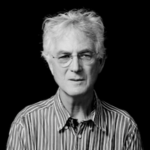
Todd London
Teddy Mangawa
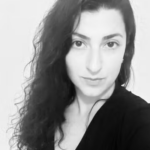
Dijana Milošević
Ada Mukhína
Trà Nguyễn
Cynthia P. Schneider
Dovie Thomason
László Upor
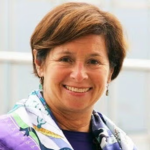
Sonya Armaghanyan
Sonya Armaghanyan
Headshot of Andrii Bondarenko
Andrii Bondarenko
George Brant
Laura Cahill
Laura Cahill
Jasmin Cardenas
Marta Gornicka
Iryna Harets
Iryna Harets
Sophia Hanziuk
Sophia Hanziuk
Caroline Hatem
Gillian Huebner
Gillian Huebner
Mykola Kuleba
Raghad Makhlouf
Katya Pavlevych
Headshot of Michael Rohd
Michael Rohd
Wesley Ruzibiza
Wesley Ruzibiza
Headshot of Sophia Skiles
Sophia Skiles
Sebastián Torres
Sebastián Torres
Presenters

This series is presented by The Center for International Theater Development & The Laboratory for Global Performance and Politics in partnership with The Horizons Project.

The two live sessions in our Fall Series are presented and partnered with The Collaborative on Global Children’s Issues.