The Lab x The Art of Care

The Lab x The Art of Care

The Lab & The Art of Care

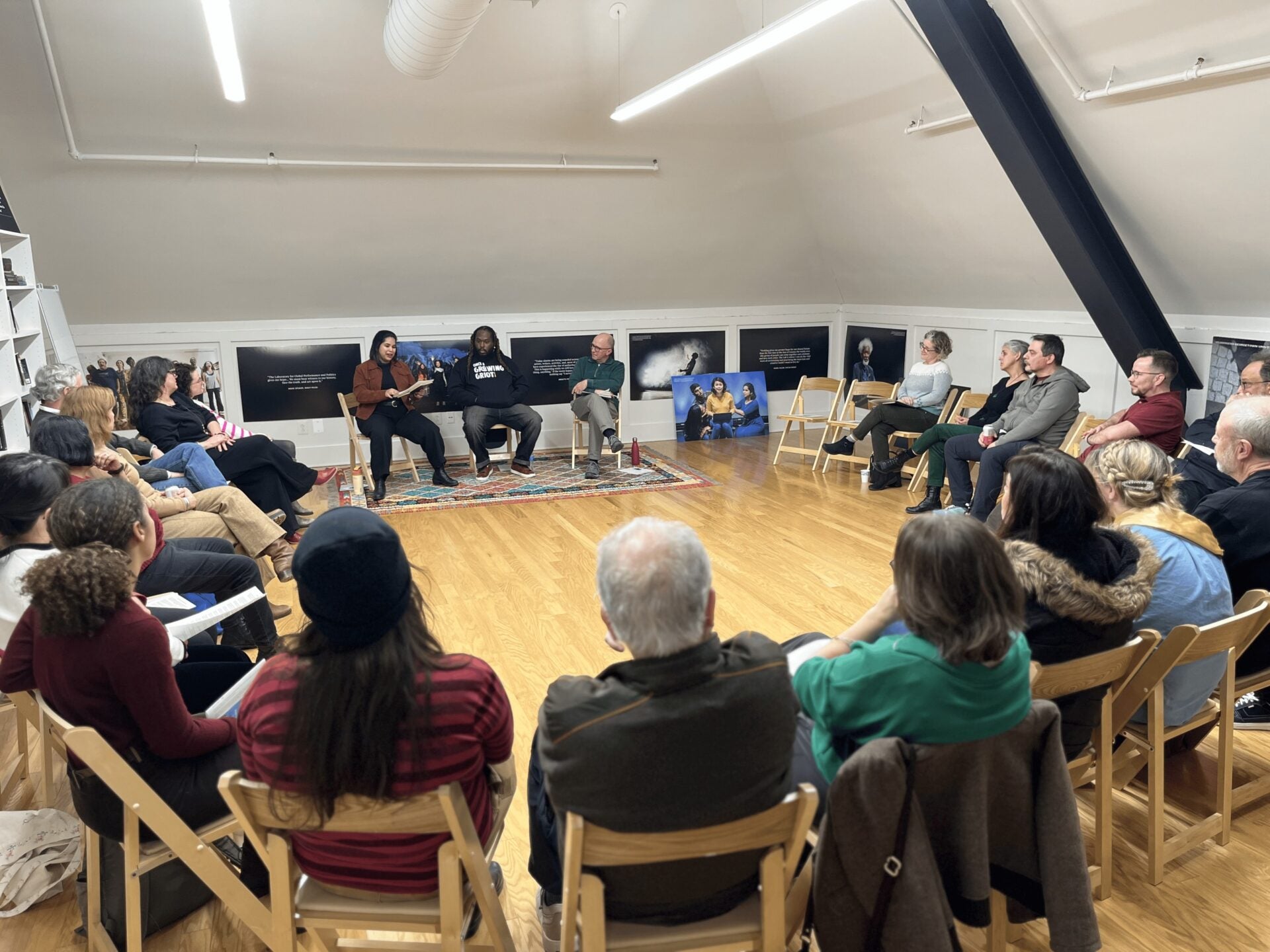
It was great to spend a week in Washington DC at the Lab connecting to the work there on the art of care.

The art of care is of course a provocative idea – mainly because of that pesky ‘of’ in the middle of it. Does it mean art that is made about care – a practice that responds to care as a topic or theme? Or does it imply a ‘with’ – art made with care. In this version the art might be anything – a youth theatre project, a professional rehearsal room, an art class in a community centre – but the claim is that it is made with care for the people and processes, or perhaps the outcome. In the spirit of community-based performance where we have a history of Augusto Boal’s ‘theatre of the oppressed’, that ‘of’ suggested theatre work that emerges from the knowledge of oppression. It belongs to and is derived from that lived experience. The art of care suggests, in this version, art that emerges from a collective experience of care.

The purpose of this short blog, however, is to read the art of care slightly differently – and then discuss a few implications of this reading. For me, the art of care refers to the practice of care and the artfulness of that practice. This is placing care at the centre and arguing that it is not a theme, a topic or an experience but a practice which has its own art qualities. To make this case of course we are arguing that care – whether the everyday practice between friends, or a professional practice between people in a variety of health contexts – is an art form. What I mean by this is not that care is done for exhibition or for a performance, but that it has its structures, its sensations, its movements, and its rhythms. It can be crafted, organised and executed with a style, a precision and perhaps even an elegance which we need to note and also celebrate. This might be the careworker who lifts and moves an elderly client with extraordinary fluent movement and attention to timing that ensures not only their safety but the sensation of felt dignity for the patient. It could be the parent who works closely with their neurodivergent child to organise a sensory environment – the sounds, the lighting, the textures – that creatively ensures that they are able to thrive. It could be the learning disability nurse who works with a highly vulnerable patient using play, visual materials and gentle touch to manage their extreme anxiety leading to a medical procedure. Each of these exhibit an art of care.
You will notice in my three examples that there are no traditional artists present. This is why I started by saying the art of care might be a provocative idea. If we are making the case that there is an artfulness to an everyday practice like care – and it might be done with great skill or less skill of course – what are we saying about artists who are interested in tackling ideas of care in their work? I have previously introduced the idea of careful art to explore how artist create care through their processes – how the making of art can be caring (or not) as it is executed. I would argue that the extraordinary work that has taken place with the ‘Art of Care’ project at the Lab in Georgetown has done this – both in terms of the care with which the project was developed and in the stories of care that were performed. But what I want to touch on here is the question of whether the art of care, as I explained it above, does actually abolish the need for the artist.

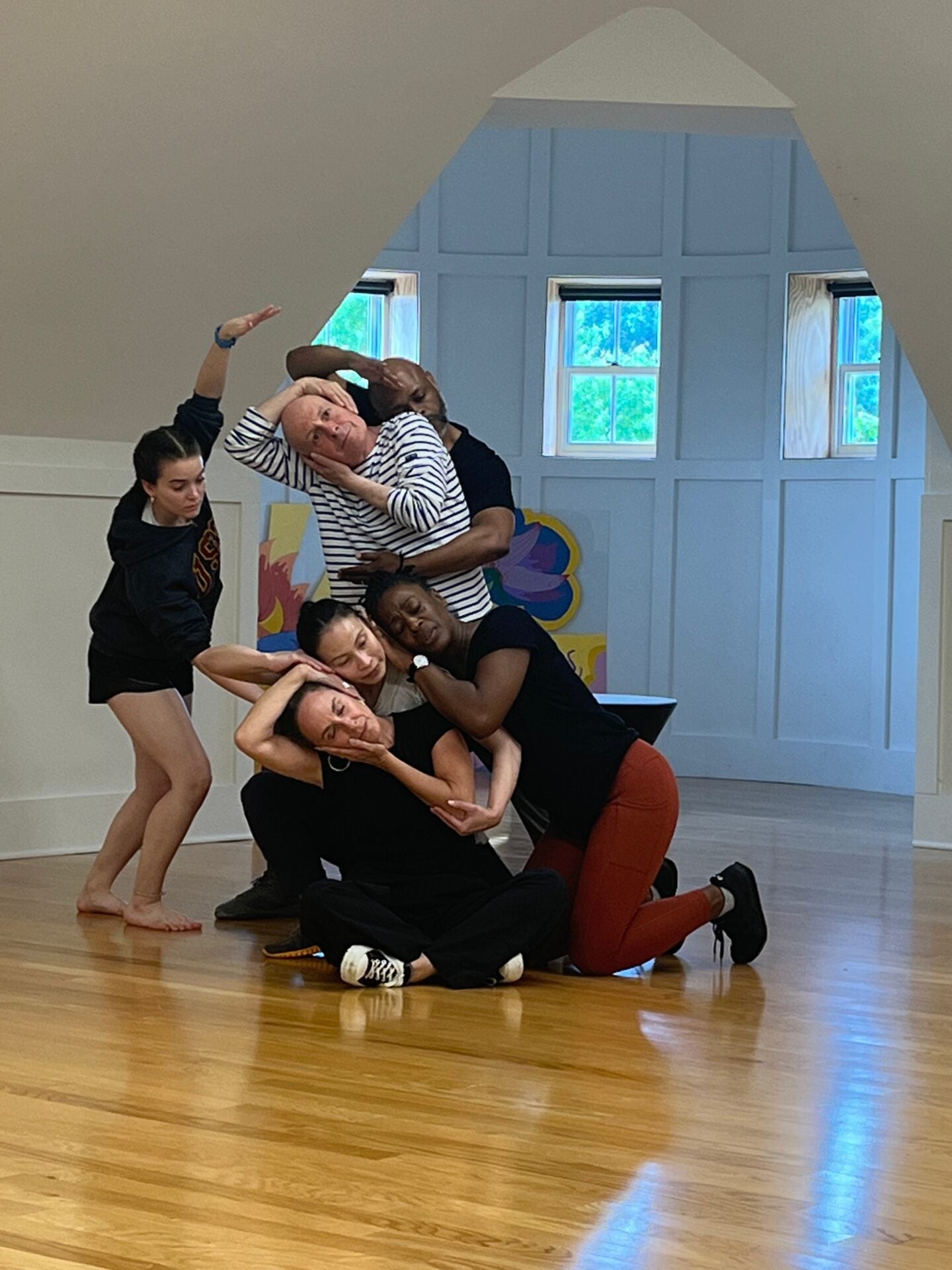
My argument is that there is a certain aesthetics to care practice – in whichever context it is happening in – and that the craft of care can be anything from virtuoso to poor. And because artists create projects than can enact care – and equally they can create projects that are profoundly uncaring – artful care and careful art need each other. In care settings artists are in fact well placed to notice aspects of artfulness that are often overlooked. So of course, technical aspects of health care should be central to an experience (we want the blood test to follow correct procedures!), but there is an equally important aesthetic to care experiences. It is often artists who will notice this – whether it is the quality of the movements, the use of bodies, the way touch is organised and the way that space is managed. In a past project in Manchester, we had a dancer who worked on an NHS secure dementia ward, and her documentation of routines, gestures and movement rhythms used by staff in their daily care work, permitted an acknowledgement of care practices which were highly skilled but rarely made visible. This was and should be partnership work. The artist does not bring the artistry to care – but works with carers to provide a language for sensory and embodied work that for too long has not been valued – and has been marginalised as the work of the lowest paid, often women and people of colour. The art of care is not bringing art to care context – it is not about taking artists into care contexts – it is about noticing, celebrating and working with carers to improve the existing artfulness of their work.

The Lab’s Art of Care is therefore a collaborative project. It asks how might we improve experiences of care, making them more dignified, more just, and more sensorily satisfying. It argues that attention to the embodied practices of care will ensure it is of higher quality. Of course, we all care – and we have care needs, met or unmet. Improvements in the art of the care, whether given or received – is a practical exploration between artists and carers (sometimes the same people). It is an opportunity for building something of the resilience we all need – an art of survival that is vital for contemporary times. And to be a focus in the Lab, in Georgetown, in DC makes it feel even more urgent.

James Thompson is Professor of Applied Theatre at the University of Manchester and co-Director of The Care Lab. He has written widely on applied theatre and now researches care aesthetics applied to dementia and other areas of social care. He is editor of the Routledge Studies in Care Aesthetics series and his book Care Aesthetics: for Artful Care and Careful Art was published in 2022. James is a dear friend and collaborator of The Lab as a member of our Creative Core. He was in residency in Washington D.C. with The Lab’s Art of Care Initiative in March 2026.